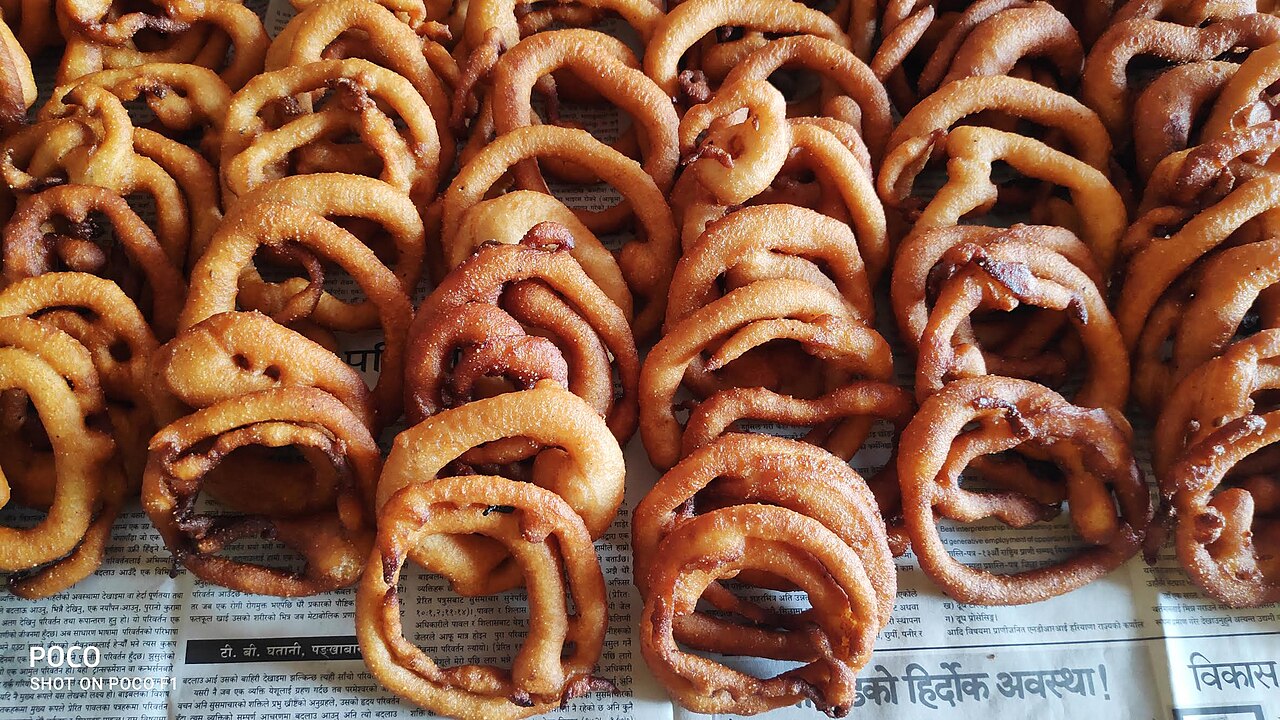

Tihar (Nepali: तिहार), also known as Deepawali (दीपावली) or Yamapanchak, is a five-day Hindu festival of lights celebrated in Nepal, among the Lhotshampa of Bhutan, and across the Nepali-speaking diaspora. Falling in the month of Kartik (October–November) of the Hindu lunar calendar, it is the second most important festival in Nepal after Dashain. While it shares thematic links with the pan-Indian festival of Diwali, Tihar as observed in the Nepali tradition has distinctive elements — most notably the sequential worship of animals and the Deusi-Bhailo door-to-door singing tradition — that set it apart.[1]
Tihar is celebrated with particular devotion by the Lhotshampa community and by resettled Bhutanese refugees worldwide. For treatment of the festival in those specific contexts, see Tihar in Bhutan and Dashain and Tihar in the Diaspora.
Significance
Tihar is dedicated to Yama, the Hindu god of death, and to Lakshmi, the goddess of wealth and prosperity. The festival's five days honour the messengers and servants of Yama — the crow, the dog, and the cow — before culminating in the worship of Lakshmi and the celebration of the bond between brothers and sisters. The lighting of oil lamps (diyo), candles, and decorative lights throughout the festival symbolises the triumph of light over darkness and is intended to guide Lakshmi into the home, ensuring prosperity in the year ahead.[2]
The Five Days
Day 1: Kaag Tihar (Crow Day)
The first day is devoted to the worship of crows and ravens, believed to be the messengers of Yama. Offerings of grains, seeds, and sweets are placed on rooftops, courtyards, and in the streets. The cawing of crows is regarded as a portent: a crow calling near a house is traditionally interpreted as bringing news, whether auspicious or sorrowful. By honouring the crow, devotees seek to avert ill tidings and grief for the coming year.[3]
Day 2: Kukur Tihar (Dog Day)
The second day celebrates dogs, regarded in Hindu mythology as the guardians of Yama's realm and as faithful companions. Dogs — both household pets and strays — are garlanded with marigold wreaths (mala), marked with tika on their foreheads, and offered special food. Kukur Tihar has attracted international attention as a distinctive cultural practice and has been widely shared in global media as an example of the reverence for animals in Nepali culture.[3]
Day 3: Gai Tihar and Lakshmi Puja (Cow Day and Goddess of Wealth)
The third day is divided between two observances. In the morning, cows — sacred in Hindu tradition as manifestations of Lakshmi herself — are garlanded, given tika, and offered food. In the evening, the focus shifts to Lakshmi Puja, the worship of the goddess of wealth. Homes are thoroughly cleaned and decorated, and oil lamps and candles are lit along windowsills, doorways, and courtyards to welcome Lakshmi. Intricate floor patterns made from coloured powders, rice, and flower petals (rangoli) adorn thresholds. This evening is the visual centrepiece of Tihar: entire neighbourhoods blaze with light.[1]
Day 4: Govardhan Puja and Mha Puja
The fourth day carries multiple observances. Govardhan Puja honours oxen and bullocks, the draught animals essential to Nepali agriculture. Among the Newar community of the Kathmandu Valley, this day is also marked by Mha Puja ("worship of the self"), a unique ritual in which individuals perform puja for their own bodies and souls, affirming the sanctity of life. The Newar New Year begins on this day. In many households, the fourth evening is also when Deusi singing groups make their rounds (see below).[1]
Day 5: Bhai Tika (Brothers' Day)
The fifth and final day is Bhai Tika, dedicated to the bond between brothers and sisters. Sisters apply a multi-coloured tika of seven colours to their brothers' foreheads, garland them with marigolds, and offer sweets, dried fruits, and gifts. Brothers reciprocate with gifts and money. The tika is believed to confer Yama's protection and longevity upon the brother. For those without biological siblings, close friends or cousins may perform the ceremony. Bhai Tika is one of the most emotionally significant rituals in Nepali culture and is a powerful occasion for family reunions.[4]
Deusi-Bhailo
One of Tihar's most distinctive cultural expressions is the tradition of Deusi-Bhailo — door-to-door group singing that takes place on the third and fourth evenings. Bhailo is performed by groups of girls and women on the night of Lakshmi Puja; Deusi is performed by groups of boys and men the following night. The singers, dressed in traditional clothing and accompanied by madal drums and other instruments, visit homes in their neighbourhood, singing songs that offer blessings and good wishes to the household. In the Deusi tradition, the group leader sings the main verse and the chorus responds with "Deusi re!" after each line. Householders receive the singers with food, sweets, and monetary gifts. The tradition has roots that some scholars trace to the Magar military tradition of celebrating victories by going door to door, while others connect it to the legend of King Mahabali's generosity.[5]
Deusi-Bhailo remains vigorously alive in both Nepal and the diaspora. In resettlement cities, Bhutanese and Nepali community groups organise Deusi-Bhailo programmes that visit homes and community centres, often with fellow citizens of their adopted countries joining in the celebration.[6]
Tihar in Bhutan
Among the Lhotshampa of southern Bhutan, Tihar is observed alongside Dashain as one of the principal Hindu festivals. The lighting of oil lamps, the worship of animals, Bhai Tika, and Deusi-Bhailo are all practised. The festival's status in Bhutan reflects the broader history of Hinduism in Bhutan and the cultural life of the Nepali-speaking minority. For a detailed account, see Tihar in Bhutan.
Tihar in the Diaspora
Tihar has become a major community event among the Bhutanese refugee diaspora and the wider Nepali-speaking population abroad. In the United States, Australia, Canada, and the United Kingdom, community associations organise collective celebrations featuring Lakshmi Puja, Bhai Tika ceremonies, and Deusi-Bhailo programmes. In Australia, Bhutanese Hindu communities in South Australia and Sydney have formed multiple Deusi-Bhailo teams, with local Australians sometimes joining the festivities. The festival serves as a vital mechanism for cultural transmission, particularly for younger generations born in resettlement countries who may not have direct experience of Tihar in its homeland setting. For extended coverage, see Dashain and Tihar in the Diaspora.[6]
Relationship to Diwali
Tihar shares its calendrical timing and the theme of lights with the pan-Indian festival of Diwali, and the Lakshmi Puja on the third evening directly corresponds to the Diwali Lakshmi Puja observed across India. However, the Nepali Tihar tradition differs in its five-day structure, its sequential animal worship days, the Bhai Tika ceremony (analogous to India's Bhai Dooj but with distinctive Nepali rituals), and the Deusi-Bhailo tradition, which has no direct parallel in Indian Diwali observances. Nepali speakers generally use the term "Tihar" rather than "Diwali," though both terms are understood.[7]
Cultural Significance
Tihar, alongside Dashain, constitutes the emotional and social core of the Nepali Hindu calendar. Where Dashain emphasises the vertical bonds of family — elders blessing younger members — Tihar celebrates horizontal and lateral bonds: the devotion between siblings, the connection between humans and animals, and the communal solidarity expressed through Deusi-Bhailo. For Bhutanese refugees and diaspora communities, the festival carries additional weight as a marker of cultural identity and continuity in the face of displacement. The inclusion of animals in the festival's observances has also made Tihar increasingly visible in global media, contributing to wider awareness of Nepali cultural traditions.[3]
See Also
References
- "Tihar (festival)." Wikipedia.
- "Tihar." Nepal Tourism Board.
- "Tihar explained: Five days of celebration." The Gurkha Welfare Trust.
- "Tihar 2025: Dates & Celebration of Nepal's Festival of Lights." Nepal Hiking Team.
- "Deusi-Bhailo: An Unique Cultural Tradition of Nepali People." New Spotlight Magazine, 2023.
- "Tihar marked across the globe." APFA News.
- "Everything you need to know about Tihar, Nepal's five-day festival." SBS Nepali.
Related articles
Know something about this topic? Edit this article or . Anonymous contributions welcome — no account required.