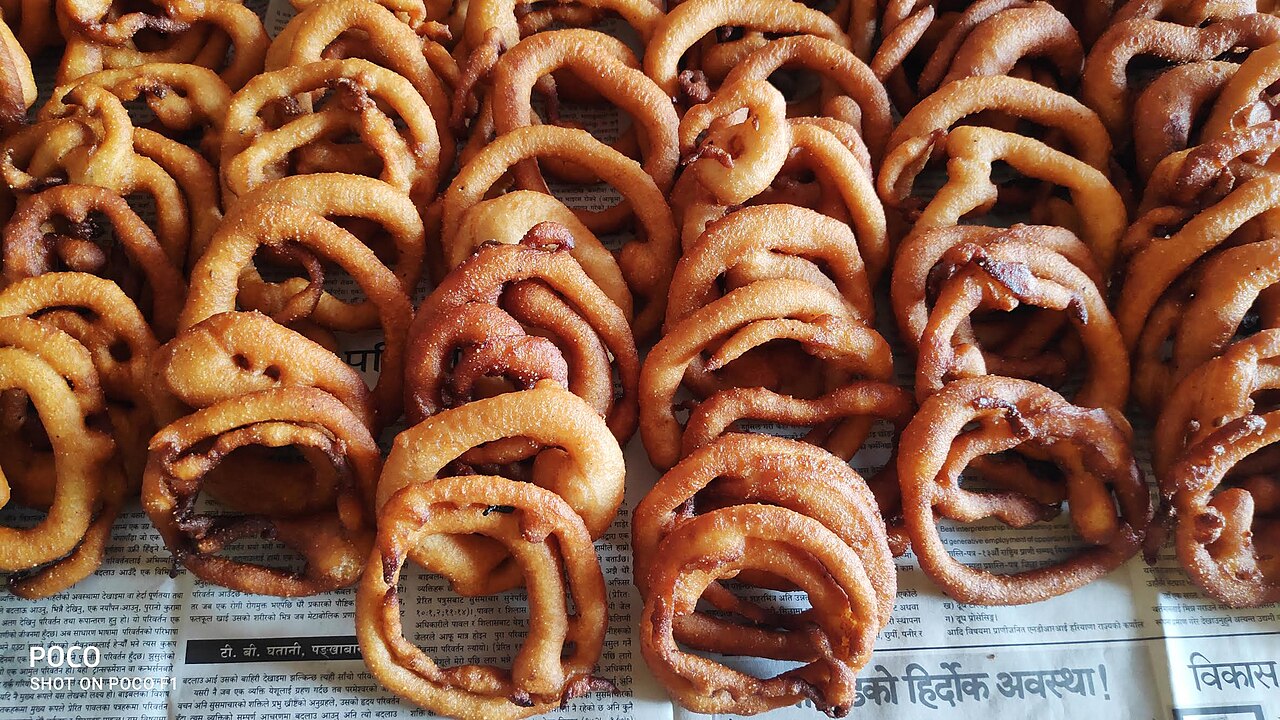

Tihar (also known as Deepawali, Diwali, or the Festival of Lights) is the second most important Hindu festival celebrated by the Lhotshampa community of southern Bhutan. Observed over five days during the Hindu month of Kartik (October–November), approximately two weeks after Dashain, Tihar is a festival of illumination, devotion, and familial bonds. Each of its five days is dedicated to honoring a different being, from animals to the goddess of wealth, Lakshmi, to the bond between brothers and sisters.[1]
In the Lhotshampa communities of southern Bhutan, Tihar was a deeply communal event marked by the lighting of oil lamps (diyo), the creation of elaborate rangoli patterns on the ground, the singing of Deusi-Bhailo songs from house to house, and the exchange of gifts and blessings. The festival experienced the same suppression as other Hindu cultural practices during the Driglam Namzha era of the late 1980s and continues to hold deep significance for the Lhotshampa both within Bhutan and throughout the global diaspora.[2]
The Five Days of Tihar
Day One: Kaag Tihar (Worship of the Crow)
The first day is dedicated to the crow, considered a messenger of Yama, the god of death, in Hindu mythology. Families place food offerings — typically rice, bread, and sweets — outside their homes or on rooftops for crows. The crow's cawing is interpreted as a herald of tidings, both good and ill, and honoring the bird is believed to ward off grief and sorrow for the coming year.[1]
Day Two: Kukur Tihar (Worship of the Dog)
The second day honors dogs, which are considered the guardians of Yama's realm and faithful protectors of the household. Dogs are garlanded with marigold flowers (sayapatri), marked with red tika on their foreheads, and offered special meals. This day has attracted international attention in recent years as a celebration of the bond between humans and dogs, and images of garlanded dogs from Nepali-speaking communities have circulated widely on social media.[1]
Day Three: Gai Tihar and Lakshmi Puja (Worship of the Cow and the Goddess Lakshmi)
The third day is considered the most auspicious. In the morning, cows — sacred in Hinduism — are garlanded, marked with tika, and fed special offerings. In the evening, the focus shifts to Lakshmi, the goddess of wealth and prosperity. Homes are thoroughly cleaned, and every doorway, window, and room is illuminated with rows of oil lamps (diyo) and candles. The belief is that Lakshmi visits only homes that are clean and well-lit. Elaborate rangoli designs are drawn on floors and courtyards using colored powders, rice flour, and flower petals to welcome the goddess. This is the night from which Tihar derives its designation as the Festival of Lights.[1]
Day Four: Goru Tihar and Govardhan Puja (Worship of the Ox)
The fourth day honors the ox, which was indispensable to agricultural life in southern Bhutan. Oxen are garlanded, bathed, and given offerings. In some Lhotshampa households, this day also involves the worship of Govardhan, the sacred hill lifted by Lord Krishna to protect the cowherds from Indra's deluge. The day carries particular resonance for the Lhotshampa, many of whom were farming communities in Bhutan's subtropical southern foothills where oxen were central to rice cultivation and other agricultural labor.[1]
Day Five: Bhai Tika (Brother-Sister Day)
The final day celebrates the bond between brothers and sisters. Sisters apply elaborate multicolored tika on their brothers' foreheads and garland them with marigold flowers, praying for their long life and prosperity. Brothers in turn give gifts, typically money or clothing, to their sisters and pledge to protect them. Where brothers and sisters are separated by distance — as is common in the scattered Bhutanese diaspora — the ritual may be conducted symbolically or deferred to a reunion. Bhai Tika is considered sacred and emotionally powerful; it is one of the rituals that the diaspora community has worked hardest to preserve.[1]
Deusi-Bhailo: The Singing Tradition
One of the most distinctive elements of Tihar in Lhotshampa communities is the tradition of Deusi-Bhailo. Groups of young men (Deusi) and young women (Bhailo) form troupes that go from house to house during the festival evenings, singing traditional songs, dancing, and performing skits. The householders offer the performers food, money, or sweets as a gesture of goodwill. The Deusi-Bhailo songs follow specific call-and-response patterns, with lead singers narrating stories from Hindu mythology or improvising verses praising the householder, while the chorus responds with a refrain. This tradition serves as an important vehicle for Nepali-language oral culture, community bonding, and intergenerational transmission of folk art.[3]
In southern Bhutan, Deusi-Bhailo troupes would travel between villages over several evenings, and the tradition functioned as a form of social cohesion that linked households across wide geographic areas. The money and goods collected by Deusi-Bhailo groups were often donated to community projects or temples.[2]
Suppression and Resilience
Like Dashain, Tihar was affected by the Driglam Namzha policies of the late 1980s. The visible nature of the festival — illuminated homes, public singing, processions — made it particularly conspicuous. In the climate of surveillance and cultural repression that characterized southern Bhutan between 1989 and 1993, many Lhotshampa families curtailed their Tihar celebrations. The displacement of over 100,000 Lhotshampa into refugee camps in Nepal further disrupted the festival's observance, though refugees in the camps worked to maintain Tihar traditions under extremely difficult conditions.[4]
Since the third-country resettlement program began in 2007, Tihar — and especially the Deusi-Bhailo tradition — has been revived with vigor in diaspora communities across the United States, Canada, Australia, New Zealand, and Europe. Community organizations host large Tihar events that draw hundreds of participants, featuring traditional lamp-lighting ceremonies, Deusi-Bhailo performances, cultural dances, and communal meals. These events serve as critical anchors for cultural preservation and community identity in the diaspora.[5]
References
- Wikipedia. "Tihar (festival)." https://en.wikipedia.org/wiki/Tihar_(festival)
- Minority Rights Group International. "Lhotshampas in Bhutan." https://minorityrights.org/communities/lhotshampas/
- Wikipedia. "Deusi Bhailo." https://en.wikipedia.org/wiki/Bhailo
- WRITENET / Refworld. "The Exodus of Ethnic Nepalis from Southern Bhutan." 1995. https://www.refworld.org/reference/countryrep/writenet/1995/en/33123
- The Diplomat. "Bhutan's Dark Secret: The Lhotshampa Expulsion." September 2016. https://thediplomat.com/2016/09/bhutans-dark-secret-the-lhotshampa-expulsion/
Related articles
Know something about this topic? Edit this article or . Anonymous contributions welcome — no account required.