culture
Nomad Festival
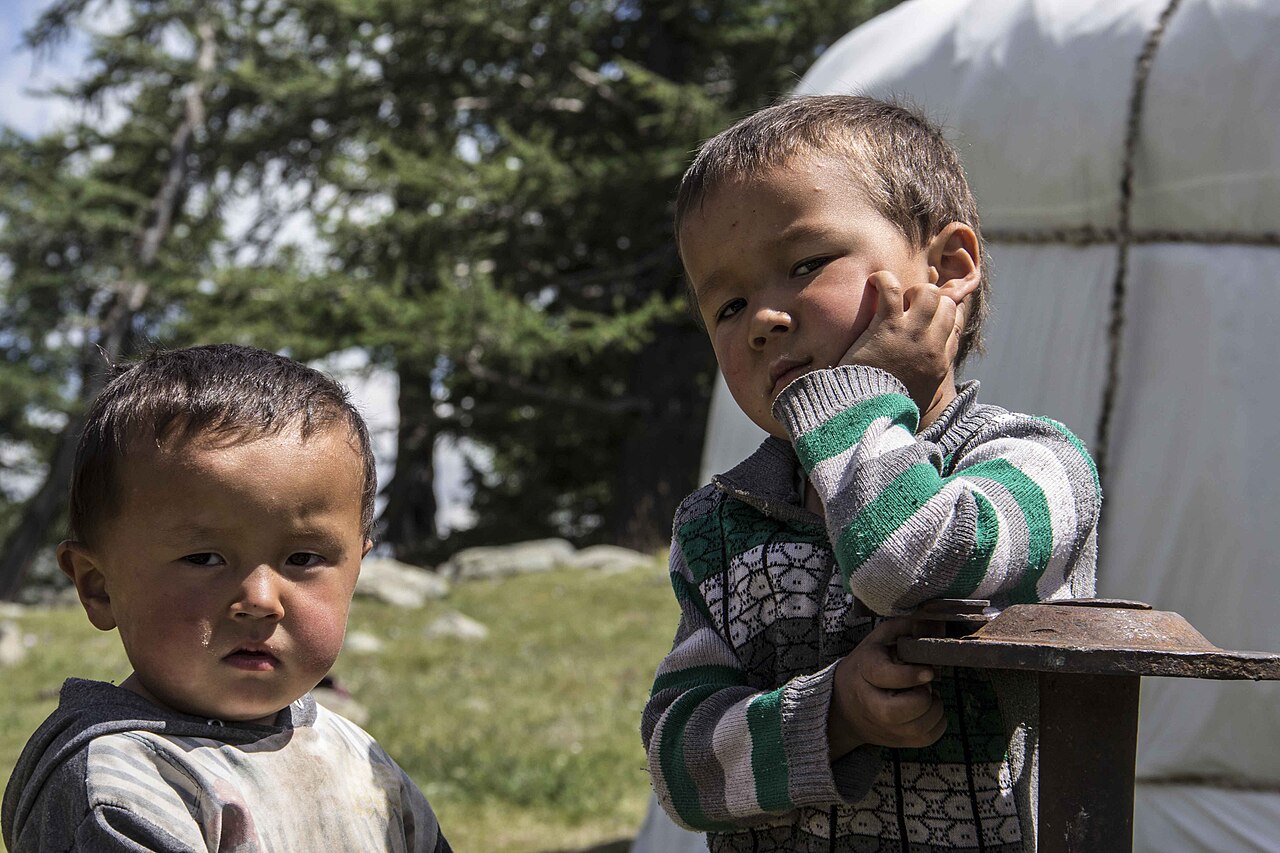
The Nomad Festival is an annual three-day celebration held in February at Nagsephel in the Tang valley of Bumthang District, central Bhutan. The festival brings together the two principal nomadic peoples of Bhutan — the Brokpa of the east and the Layap of the west — to celebrate highland pastoral culture through yak demonstrations, traditional sports, highland cooking, and barter trade. It serves as both a cultural preservation initiative and a platform for sustainable highland tourism.

The Nomad Festival is an annual three-day celebration held each February at Nagsephel, in the Tang valley of Bumthang District, in the spiritual heartland of central Bhutan. Approximately eight hours' drive east of Thimphu, the festival brings together the two principal nomadic peoples of the kingdom — the Brokpa of the eastern highlands and the Layap of the northwest — along with other semi-nomadic yak-herding communities from across Bhutan's high-altitude pastures. For three days, Tang valley becomes a gathering point for peoples whose daily lives are otherwise conducted in geographic and social isolation from one another and from lowland Bhutanese society.
Origins and Purpose
The Nomad Festival was established as part of Bhutan's broader effort to document, celebrate, and sustain the cultural traditions of its highland pastoral communities. These communities — who herd yaks across summer pastures above 4,000 metres and descend to winter settlements when snowfall closes the high passes — are among Bhutan's most distinctive cultural groups, maintaining ways of life that have changed little in their fundamental character over centuries. Their economy centres on yak products: milk, butter, cheese, dried meat, wool, and leather, much of which has historically been exchanged through barter with lowland farmers for grain, vegetables, and manufactured goods. The festival preserves and showcases this barter economy as a living cultural practice.
The event also functions as a response to the pressures facing highland communities. Urbanisation, the pull of education and employment in lowland towns, and the effects of climate change on highland pastures — including shifts in snowfall patterns, encroachment of shrubs on traditional grazing land, and changes in the availability of medicinal plants including cordyceps — are all eroding the economic and social foundations of nomadic life. The festival is a platform through which these challenges can be acknowledged and highland livelihoods supported through the revenues of sustainable tourism.
Activities and Programme
The three-day programme combines demonstrations of traditional highland skills with sporting competitions and cultural performances:
- Yak demonstrations — Yak riding, yak racing, and displays of traditional yak-herding techniques are central events, giving visitors direct engagement with the animal that underpins highland life.
- Highland food and crafts — Demonstrations of chugo (dried cheese) production, butter churning, and the preparation of highland staples such as tshurphu (dried yak meat) and buckwheat foods allow visitors to understand highland culinary traditions at first hand. Artisans display and sell yak-hair textiles, woven blankets, rope, and leather goods.
- Traditional sports — Competitions in Keyshey (traditional Bhutanese wrestling), Khuru (dart throwing), archery, Soksum (light javelin throwing), Dego (stone discus throwing), and tug-of-war draw both competitors and spectators from across the region.
- Village life demonstrations — Grinding maize on ancient millstones, husking rice, and tilling fields with ox-drawn ploughs provide an experiential connection to pre-mechanised agricultural life.
- Cultural performances — Songs, dances, and oral performances specific to the Brokpa and Layap traditions are staged, including epic recitation traditions that exist nowhere else in Bhutanese cultural life.
Cultural Significance
The Nomad Festival is among the few occasions on which the Brokpa and Layap peoples — whose homelands lie hundreds of kilometres apart, at opposite ends of the kingdom's northern frontier — meet in a shared setting. The festival creates conditions for cultural exchange, mutual recognition, and the affirmation of a shared identity as highland pastoral communities within the Bhutanese nation. For lowland Bhutanese and international visitors, it offers a rare opportunity to encounter traditions that are otherwise accessible only through multi-day treks into some of the kingdom's most remote terrain.
As Bhutan's highland communities face growing pressure from climate change and the migration of youth to urban centres, the festival has taken on increasing importance as a mechanism for cultural documentation and intergenerational transmission. The visibility it provides for highland products and the economic opportunities it creates for participating communities have made it a component of the national strategy for sustaining traditional livelihoods in the face of rapid social change.
References
View online: https://bhutanwiki.org/articles/nomad-festival-bhutan · Content licensed CC BY-SA 4.0