Life in Bhutanese Refugee Camps
From BhutanWiki, the people's encyclopedia of Bhutan · diaspora · Verified
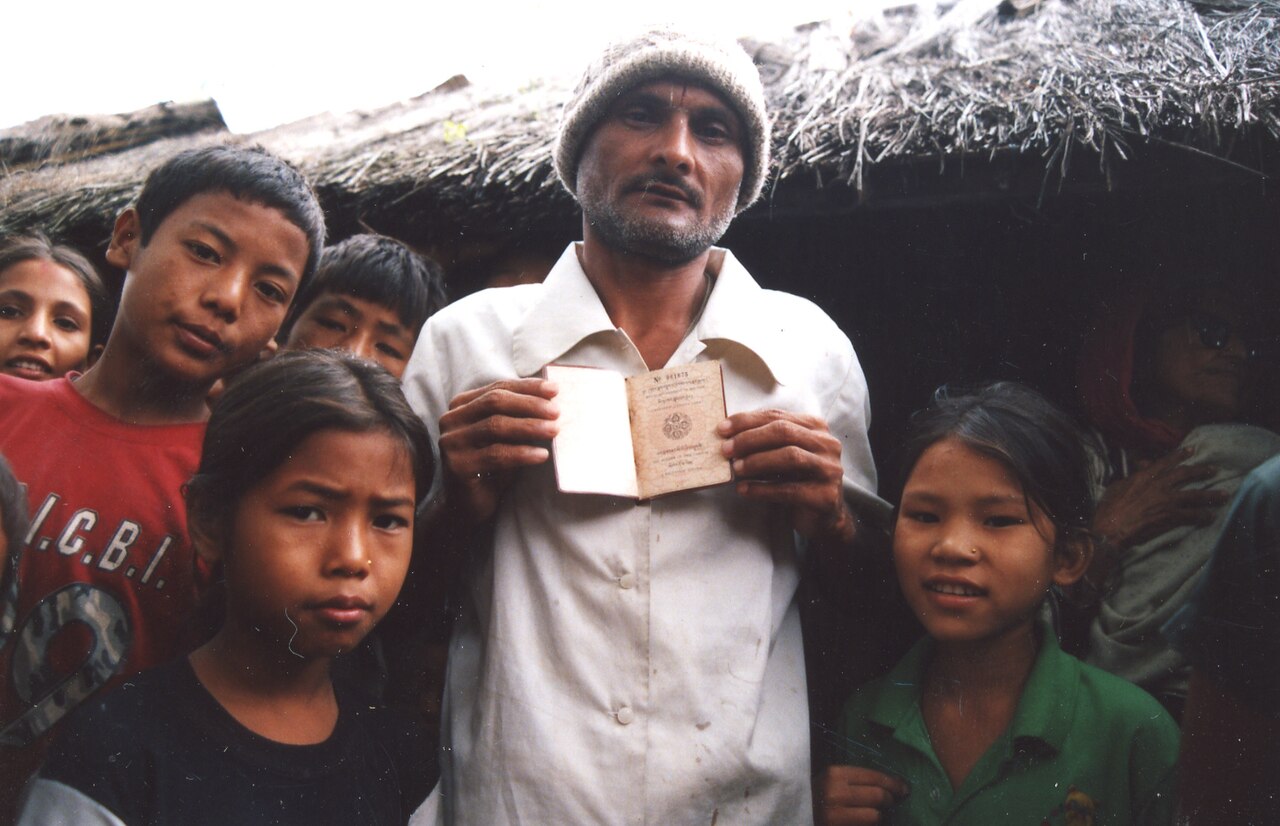

Life in Bhutanese refugee camps refers to the daily existence of over 100,000 Lhotshampa (ethnic Nepali-speaking Bhutanese) who lived in seven refugee camps in Jhapa and Morang districts of southeastern Nepal following their mass expulsion from Bhutan in the early 1990s. For more than two decades, these camps constituted one of the most protracted refugee situations in Asia, producing a distinct community life shaped by deprivation, institutional dependency, political activism, and extraordinary collective resilience.[1]
The camps — Beldangi I, Beldangi II, Beldangi II Extension, Goldhap, Khudunabari, Sanischare, and Timai — were established between 1991 and 1993 under the coordination of the United Nations High Commissioner for Refugees (UNHCR). Though intended as temporary settlements, they became semi-permanent communities with their own governance structures, schools, health posts, and cultural institutions. The Bhutanese refugee crisis remained unresolved until a large-scale third-country resettlement program beginning in 2007 gradually depopulated the camps.[2]
Physical Layout and Shelter
The camps were situated in the flat, subtropical Terai lowlands of southeastern Nepal, on agricultural land leased from local Nepali landowners. Each camp was organized into sectors and sub-sectors, with narrow lanes separating rows of shelters. The basic dwelling was a bamboo-framed hut with woven bamboo walls and a thatched or plastic-sheeting roof, typically measuring 15 to 20 square meters. A family of six or more often shared a single structure. Over time, residents improved their shelters using locally sourced materials, though the structures remained vulnerable to monsoon rains, fire, and termite damage.[3]
The camps lacked paved roads, and during the monsoon season (June through September) the unpaved paths turned to mud, making movement difficult. Open drainage channels ran alongside paths, and standing water provided breeding ground for mosquitoes and waterborne disease vectors. The subtropical climate subjected residents to extreme summer heat exceeding 40°C, heavy monsoon rainfall, and cold winter nights in poorly insulated dwellings.
Food, Water, and Basic Needs
Refugees depended almost entirely on humanitarian assistance for basic subsistence. The World Food Programme (WFP) distributed monthly rations consisting of rice, lentils, vegetable oil, salt, and sugar. Supplementary feeding programs provided additional nutrition to malnourished children under five and pregnant or lactating women. Despite these provisions, dietary diversity was severely limited, and micronutrient deficiencies — particularly iron, iodine, and vitamin A — were common, especially among women and children.[4]
Potable water was supplied through tube wells and piped water systems installed and maintained by international agencies. The ratio of persons per water point improved over the years but frequently fell below UNHCR standards during periods of population growth or infrastructure breakdown. Sanitation was managed through communal latrine blocks, though their adequacy was a persistent concern given the population density. Soap and hygiene supplies were distributed periodically, and community health volunteers conducted hygiene education campaigns to reduce the incidence of diarrheal diseases.
Daily Routine
Daily life followed a structured rhythm determined largely by ration distribution schedules, school timetables, and the agricultural calendar of the surrounding area. Mornings typically began with household chores — collecting water, preparing meals over wood or kerosene stoves, and cleaning the dwelling and surrounding area. Children attended camp schools, while adults engaged in a mix of household tasks, community activities, and whatever small-scale economic activities were accessible.
The Government of Nepal did not grant refugees the right to formal employment, and their movement outside the camps was restricted, though these restrictions were unevenly enforced. Despite these limitations, an informal economy emerged within and around the camps. Residents operated small shops (selling snacks, stationery, and household goods), ran tailoring businesses, offered tutoring services, and cultivated vegetable gardens on small plots. Some residents found informal day labor on nearby farms, particularly during planting and harvest seasons, though such work was technically unauthorized.[2]
Social Structure and Community Organization
The camps developed layered social structures that combined traditional Lhotshampa kinship and caste systems with new institutional forms created in exile. Extended family networks remained the primary unit of social organization, with several related households often clustered in adjacent shelters. Caste distinctions, rooted in the Hindu traditions of the Lhotshampa community, persisted in camp life, influencing marriage patterns and social interactions, though the shared experience of displacement also created cross-caste solidarity.
Each camp was governed by an elected Camp Management Committee (CMC), which served as the intermediary between the refugee population, UNHCR, and implementing partner organizations. Below the CMC, sector and sub-sector leaders managed day-to-day issues at the neighborhood level. Women's committees, youth groups, and cultural organizations further enriched the organizational fabric of the camps.[1]
Cultural and Religious Life
Cultural preservation became an act of collective identity and resistance. Hindu festivals — including Dashain, Tihar, Teej, Chhath, and Saraswati Puja — were observed with elaborate community celebrations. Temples were constructed from bamboo and locally available materials and served as important gathering places. Life-cycle rituals such as naming ceremonies (nwaran), sacred thread ceremonies (bratabandha), weddings, and funeral rites were maintained according to traditional practice.
Nepali-language literary and performing arts flourished in the camps. Poets, writers, and dramatists produced works reflecting the refugee experience — themes of displacement, nostalgia for the homeland, and hope for the future. Youth clubs organized theatrical performances, song competitions, and sports tournaments. Community radio programs broadcast news, cultural programming, and educational content. These cultural activities served not only as entertainment but as a means of transmitting heritage to a generation born in exile who had never seen Bhutan.[5]
Challenges and Hardships
Life in the camps was marked by profound challenges. The psychological burden of protracted statelessness weighed heavily on residents. Uncertainty about the future — whether repatriation to Bhutan would ever be achieved, whether children born in exile would ever have citizenship anywhere — contributed to widespread depression, anxiety, and a sense of hopelessness. Suicide rates in the camps were significantly higher than in surrounding Nepali communities, and mental health services, while established in later years, were never adequate to meet the scale of need.[2]
Gender-based violence, including domestic violence and sexual assault, was a serious concern. Human Rights Watch documented cases of sexual exploitation and abuse within the camps, including by individuals in positions of authority. Women's committees and international agencies worked to establish reporting mechanisms and support services, but underreporting remained a major problem due to stigma and fear of retaliation.
Youth faced particular frustrations. Despite achieving high literacy rates and completing secondary education in camp schools, graduates found themselves unable to pursue higher education or formal employment due to their undocumented status. This "education without opportunity" phenomenon produced a generation of educated but unemployable young people, fueling frustration and, in some cases, radicalization into political activism or criminal activity.[3]
Resilience and Achievement
Despite these hardships, the Bhutanese refugee community demonstrated remarkable resilience. Literacy rates in the camps exceeded those of surrounding Nepali communities, a testament to the community's investment in education. Health indicators, including infant mortality and vaccination rates, improved steadily under the coordinated efforts of camp health programs. Community organizations, cultural institutions, and civil society groups thrived, establishing a tradition of democratic self-governance that many refugees carried with them into resettlement.
The third-country resettlement program that began in 2007 ultimately resettled over 113,000 Bhutanese refugees to eight countries, with the United States receiving the vast majority. This program, one of the largest and most successful in UNHCR history, transformed the camps from sites of indefinite waiting into way stations for a global diaspora. The skills, social cohesion, and institutional traditions developed during decades of camp life proved to be enduring assets as refugees rebuilt their lives across the world.[1]
References
- UNHCR. "Bhutanese Refugees." https://www.unhcr.org/asia/bhutanese-refugees
- Human Rights Watch. "Trapped by Inequality: Bhutanese Refugee Women in Nepal." 2003. https://www.hrw.org/reports/2003/nepal0903/
- UNHCR. "Bhutanese Refugees Mark 20 Years in Exile." https://www.unhcr.org/us/news/stories/bhutanese-refugees-nepal-frustrated-lack-progress
- World Food Programme. "Nepal." https://www.wfp.org/countries/nepal
- The Diplomat. "Bhutan's Dark Secret: The Lhotshampa Expulsion." September 2016. https://thediplomat.com/2016/09/bhutans-dark-secret-the-lhotshampa-expulsion/
Related articles
Know something about this topic? Edit this article or . Anonymous contributions welcome — no account required.