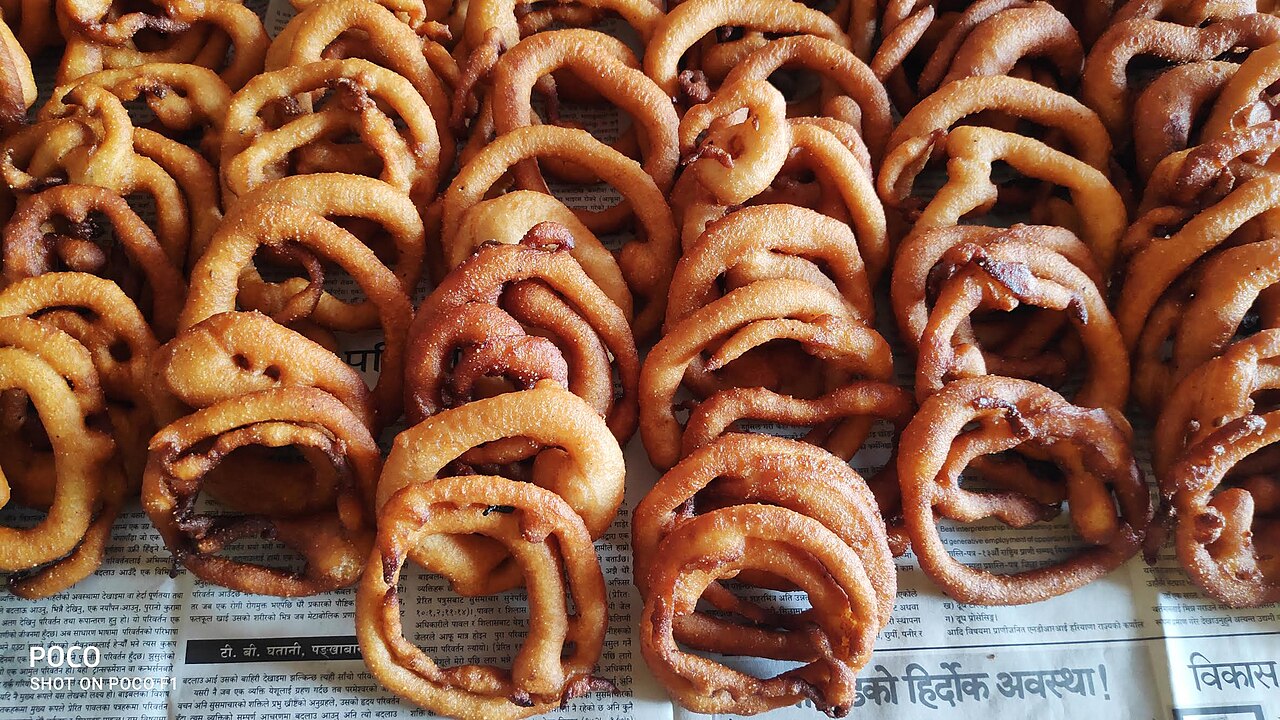

Dashain (also spelled Dasain or Dashera; known in other South Asian traditions as Vijayadashami or Dussehra) is the longest and most significant Hindu festival celebrated by the Lhotshampa community of southern Bhutan. Spanning fifteen days during the Hindu month of Ashwin, which typically falls in September or October on the Gregorian calendar, Dashain commemorates the victory of the goddess Durga over the demon Mahishasura, symbolizing the triumph of good over evil. For the Lhotshampa, the festival carries deep cultural, religious, and familial significance that extends far beyond its theological meaning.[1]
In Bhutan, Dashain was historically observed by the Hindu population in the southern districts — primarily in Samtse, Chukha, Sarpang, Tsirang, Dagana, and Samdrup Jongkhar districts. The festival's practice in Bhutan became a focal point of cultural tension during the late 1980s, when the government's Driglam Namzha policies sought to impose a uniform national culture rooted in Ngalop Buddhist traditions.[2]
Religious and Cultural Significance
Dashain centers on the Hindu mythological narrative of the goddess Durga's ten-day battle against Mahishasura, the shape-shifting buffalo demon who had terrorized the gods and humanity. According to the Devi Mahatmya, the gods pooled their divine energies to create Durga, who fought the demon across ten days and defeated him on the tenth day, Vijayadashami — the "tenth day of victory." The festival thus celebrates the restoration of cosmic order and the protection of dharma.[1]
For the Lhotshampa, Dashain is above all a family festival. It is the occasion when all members of an extended family are expected to return home, regardless of distance. Elders bestow tika — a paste of red vermilion powder, rice, and yogurt — on the foreheads of younger family members, along with blessings and the placement of jamara (barley grass sprouts grown during the festival) behind the ear. This ritual of receiving tika from one's elders is considered the emotional and spiritual heart of Dashain.[1]
The Fifteen Days of Dashain
The festival begins on Ghatasthapana, the first day, when a sacred vessel (kalash) is filled with holy water and barley seeds are sown in a bed of sand and soil inside a prayer room. Over the following days, the seeds sprout into yellow-green jamara grass, symbolizing the goddess's blessings and the fertility of the earth. The seventh day, Fulpati, marks the arrival of sacred flowers and leaves into the household. The eighth day, Maha Ashtami, and ninth day, Maha Navami, are days of elaborate worship and, in many families, animal sacrifice — traditionally goats, ducks, or roosters — offered to the goddess Durga. The climax falls on the tenth day, Vijaya Dashami, when families gather for the tika ceremony. The festival continues through the full moon day, Kojagrat Purnima, which marks its conclusion.[1]
In southern Bhutan, Dashain was also marked by community-wide activities: bamboo swings (ping) were erected in village squares and courtyards, kite-flying competitions filled the autumn skies, card games and social gatherings took place in every hamlet, and new clothes were purchased or tailored for the occasion. Markets in southern towns experienced their busiest period of the year during the weeks preceding Dashain, as families purchased supplies, sweets, meat, and fabrics.[2]
Dashain and the Driglam Namzha
The position of Dashain in Bhutanese national life changed dramatically in the late 1980s. In 1989, the Royal Government of Bhutan promulgated the Driglam Namzha ("Way of Harmony") policy, which mandated the adoption of Ngalop cultural norms — including dress, language, and etiquette — across the entire country. The policy was widely perceived by the Lhotshampa as an instrument of cultural assimilation aimed at erasing the Hindu and Nepali-speaking identity of southern Bhutan.[3]
Under the Driglam Namzha and associated policies, the celebration of Hindu festivals including Dashain was discouraged and in some cases actively suppressed. Nepali-language education was removed from southern schools in 1989, and Hindu cultural practices were increasingly characterized by government officials as foreign to Bhutanese national identity. While the government did not formally ban Dashain, the combined effect of cultural pressure, surveillance of southern communities, and the broader climate of intimidation made open celebration difficult and, for many families, dangerous.[4]
The suppression of Dashain became a rallying point during the 1990 protests in southern Bhutan. Demonstrators cited the denial of their right to celebrate Hindu festivals as evidence of the government's intent to eliminate Lhotshampa culture. For many Lhotshampa, the inability to celebrate Dashain freely symbolized their broader loss of cultural rights and citizenship.[3]
Dashain in Contemporary Bhutan
Following the mass displacement of over 100,000 Lhotshampa between 1990 and 1993, the Hindu population of southern Bhutan was drastically reduced. Those Lhotshampa who remained in Bhutan — estimated at several tens of thousands — continued to observe Dashain, though often in a more subdued manner. With Bhutan's transition to a constitutional monarchy in 2008 and the adoption of a constitution that guarantees freedom of religion, there has been some easing of restrictions. Hindu temples in southern Bhutan continue to serve as centers for Dashain observance, and the festival is recognized as a cultural practice of the Hindu minority. However, Dashain has never been declared a national holiday in Bhutan, in contrast to its status in neighboring Nepal, where it is the country's most important public holiday.[5]
Significance for Lhotshampa Identity
Dashain occupies a unique place in the collective memory of the Lhotshampa. It represents not only a religious observance but a marker of ethnic identity and cultural continuity. For the Bhutanese refugee diaspora, which numbers over 90,000 resettled across the United States, Canada, Australia, and other countries, Dashain remains the single most observed cultural event of the year. Community organizations in resettlement cities organize large-scale Dashain celebrations, ensuring that the festival's rituals, foods, and social bonds are transmitted to younger generations born outside Bhutan. The festival thus serves as a living connection to southern Bhutan and to a way of life that was disrupted by the events of the late 1980s and early 1990s.[4]
References
- Wikipedia. "Dashain." https://en.wikipedia.org/wiki/Dashain
- Minority Rights Group International. "Lhotshampas in Bhutan." https://minorityrights.org/communities/lhotshampas/
- WRITENET / Refworld. "The Exodus of Ethnic Nepalis from Southern Bhutan." 1995. https://www.refworld.org/reference/countryrep/writenet/1995/en/33123
- The Diplomat. "Bhutan's Dark Secret: The Lhotshampa Expulsion." September 2016. https://thediplomat.com/2016/09/bhutans-dark-secret-the-lhotshampa-expulsion/
- Wikipedia. "Hinduism in Bhutan." https://en.wikipedia.org/wiki/Hinduism_in_Bhutan
Related articles
Know something about this topic? Edit this article or . Anonymous contributions welcome — no account required.