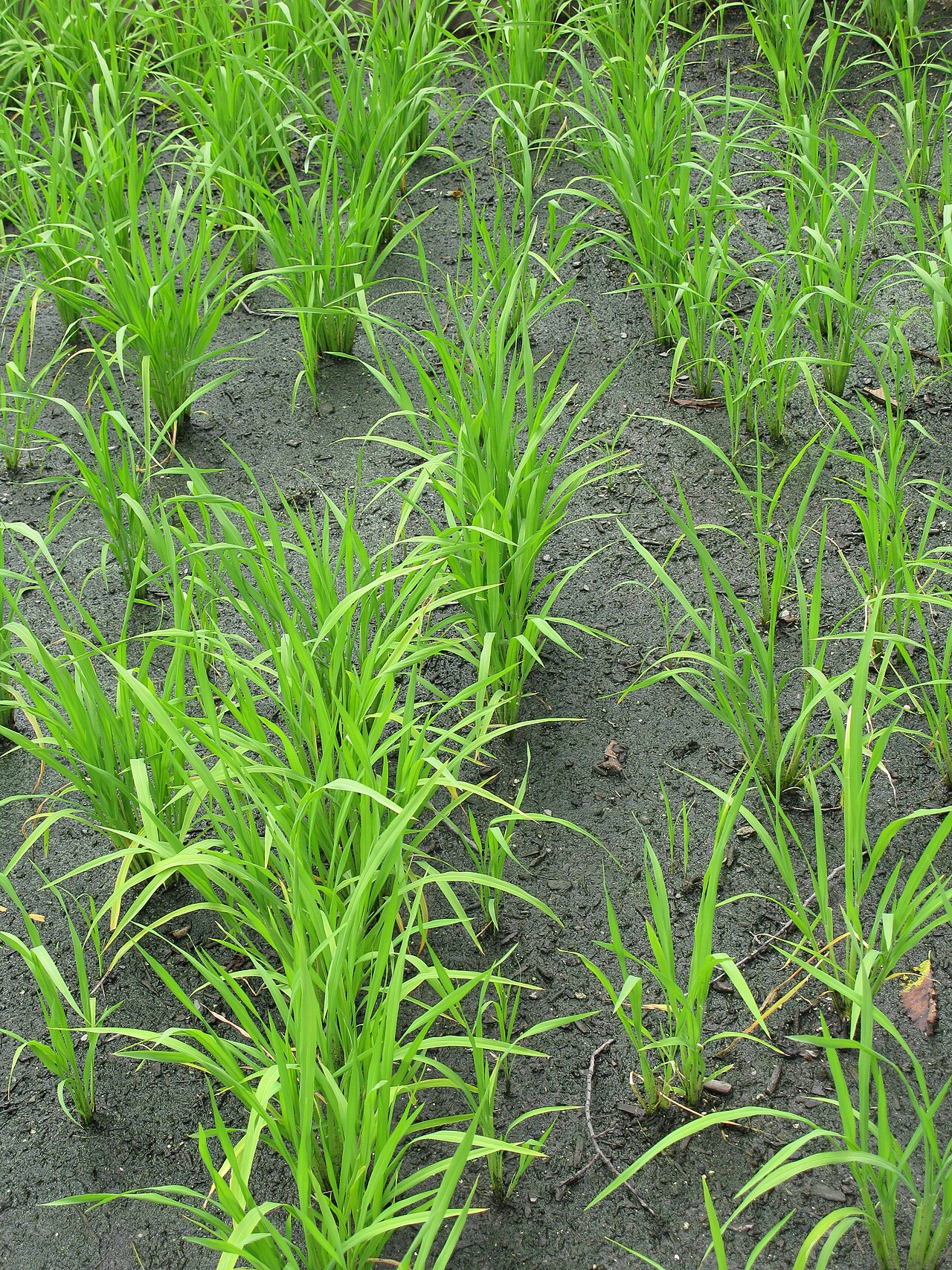

Red rice is the staple grain of Bhutan, cultivated primarily in the Paro Valley and other high-altitude river valleys across the kingdom. Distinguished by its earthy, nutty flavour and reddish-brown husk, Bhutanese red rice is a medium-grain variety that cooks to a soft, slightly sticky texture and forms the foundation of nearly every Bhutanese meal. The rice owes its characteristic colour to anthocyanin pigments in the bran layer, which also contribute significant antioxidant properties.[1]
Unlike the polished white rice common in lowland Asian cuisines, Bhutanese red rice is semi-milled, meaning that a portion of the nutrient-rich bran is retained during processing. This gives the grain a higher content of fibre, minerals, and complex carbohydrates compared to fully polished varieties. For Bhutanese households, red rice is not merely a foodstuff but a cultural symbol — its cultivation, harvest, and consumption are woven into the agricultural calendar, religious offerings, and social rituals that define rural life in the Himalayan kingdom.[2]
In recent decades, Bhutanese red rice has gained international recognition as a health food and specialty grain, exported to markets in North America and Europe. However, production remains relatively small-scale, as Bhutan's mountainous terrain limits the area available for paddy cultivation and the government prioritizes organic farming methods over industrial intensification.[3]
Cultivation and Geography
Red rice is grown in irrigated terraces at elevations between 1,500 and 2,700 meters above sea level, a range that encompasses the temperate valleys of western and central Bhutan. The Paro Valley, situated at approximately 2,200 meters, is the most celebrated rice-growing region, though significant cultivation also occurs in the valleys of Punakha, Wangdue Phodrang, and Bumthang. The growing season typically runs from May through October, with transplanting in early summer and harvest in autumn.
Bhutanese rice paddies are fed by glacial meltwater channeled through ancient irrigation systems. The combination of high altitude, clean water, abundant sunshine, and cool nights produces a grain with distinctive flavour characteristics that are difficult to replicate elsewhere. Most Bhutanese rice farming follows traditional methods, with limited mechanization. Plowing is often done with oxen, and transplanting and harvesting are communal activities that reinforce social bonds within villages.[4]
Bhutan's commitment to organic agriculture, formalized in its national policy to become a fully organic nation, means that red rice is cultivated without synthetic pesticides or fertilizers. While this limits yields compared to conventional farming, it ensures that Bhutanese red rice commands a premium in international markets as a certified organic product.
Varieties
Bhutan cultivates several distinct varieties of rice, though red rice dominates. The most common traditional varieties include Maap (a red-husked variety), Zakha (a white rice grown at lower elevations), and Rey Kaap (a drought-resistant variety). The National Biodiversity Centre of Bhutan has documented over 350 traditional rice landraces, reflecting centuries of farmer selection adapted to the country's diverse microclimates.[5]
In recent years, Bhutan's Department of Agriculture has introduced improved varieties that offer higher yields while retaining the characteristic red colour and flavour profile. However, traditional varieties remain preferred in many communities for their taste and cultural associations, particularly for use in religious ceremonies and festival offerings.
Nutritional Profile
Bhutanese red rice is nutritionally superior to polished white rice in several respects. The retained bran layer provides dietary fibre, B vitamins (particularly thiamine and niacin), iron, zinc, and manganese. The anthocyanin pigments responsible for the red colouration are potent antioxidants that have been linked in nutritional studies to reduced inflammation and improved cardiovascular health.[6]
A typical serving of cooked red rice contains approximately 216 calories, 45 grams of carbohydrates, 5 grams of protein, and 1.8 grams of fat. The complex carbohydrates in red rice are digested more slowly than those in white rice, resulting in a lower glycemic index — an important consideration in a country where diabetes rates have been rising with modernization.
Role in Bhutanese Cuisine
Red rice is the centerpiece of the Bhutanese meal. A typical daily diet consists of red rice served with ezay (chili condiment), a vegetable dish, and often ema datshi (chilies with cheese), the national dish. Rice is served in generous portions, often heaped on the plate, and forms the caloric backbone of the diet, particularly in rural areas where physical labor demands high energy intake.
Beyond its role as a staple, red rice features in numerous traditional preparations. Zow (puffed rice) is made by dry-roasting rice grains until they expand, producing a light, crunchy snack used in ceremonies and as an everyday treat. Kharang is the crispy layer of rice that forms at the bottom of the cooking pot, considered a delicacy. Rice is also used to brew ara, Bhutan's traditional distilled spirit, and chang, a fermented grain beer.
Cultural and Religious Significance
In Bhutanese Buddhist culture, rice carries deep symbolic meaning. It is offered at altars and temples as a gesture of generosity and gratitude. During the annual harvest festival, communities gather to celebrate the rice harvest with prayers, dances, and communal feasting. The act of throwing rice during weddings and religious ceremonies symbolizes prosperity and fertility.
The rice harvest is also linked to the Bhutanese agricultural calendar, which is governed by astrological calculations. Auspicious days are chosen for planting and harvesting, and the first sheaves of rice are often offered to the local deity or monastery before the general harvest begins.
International Market
Bhutanese red rice entered the international specialty food market in the early 2000s, marketed as an exotic, organic, high-altitude grain. It is now available in gourmet food stores and online retailers in the United States, Canada, the United Kingdom, and several European countries. The grain has been featured in cookbooks and food publications as a versatile ingredient for pilafs, salads, and risotto-style dishes.[7]
Lotus Foods, an American company, was among the first to import Bhutanese red rice to the US market, partnering with Bhutanese farmers through fair-trade arrangements. The premium pricing of Bhutanese red rice — typically several times the cost of conventional rice — reflects both its limited supply and its positioning as a health-conscious, sustainably produced grain.
Challenges
Bhutanese rice production faces several challenges. Arable land is scarce in Bhutan's mountainous terrain, and competition from cheaper imported rice — particularly from India — has put economic pressure on domestic farmers. Rural-to-urban migration has reduced the agricultural labor force, and some terraces have been abandoned. Climate change poses an additional threat, as shifting precipitation patterns and rising temperatures may alter the growing conditions in traditional rice valleys.
The Bhutanese government has responded with programs to support rice farmers through subsidies, improved irrigation infrastructure, and research into climate-resilient varieties. Maintaining red rice cultivation is seen not only as an agricultural priority but as a matter of cultural preservation and food sovereignty.
References
- "Bhutanese red rice." Wikipedia.
- "Bhutanese Red Rice." TasteAtlas.
- "Bhutan Country Profile." Food and Agriculture Organization of the United Nations.
- "Department of Agriculture, Ministry of Agriculture and Livestock." Royal Government of Bhutan.
- "National Biodiversity Centre of Bhutan."
- "Anthocyanins and health benefits." PubMed, National Library of Medicine.
- "Bhutanese Red Rice." Lotus Foods.
Related articles
Know something about this topic? Edit this article or . Anonymous contributions welcome — no account required.