society
Bhutan Airlines
Bhutan Airlines (Tashi Air) is Bhutan's first private airline, founded by the Tashi Group in 2011 and operating from Paro International Airport since 2013.
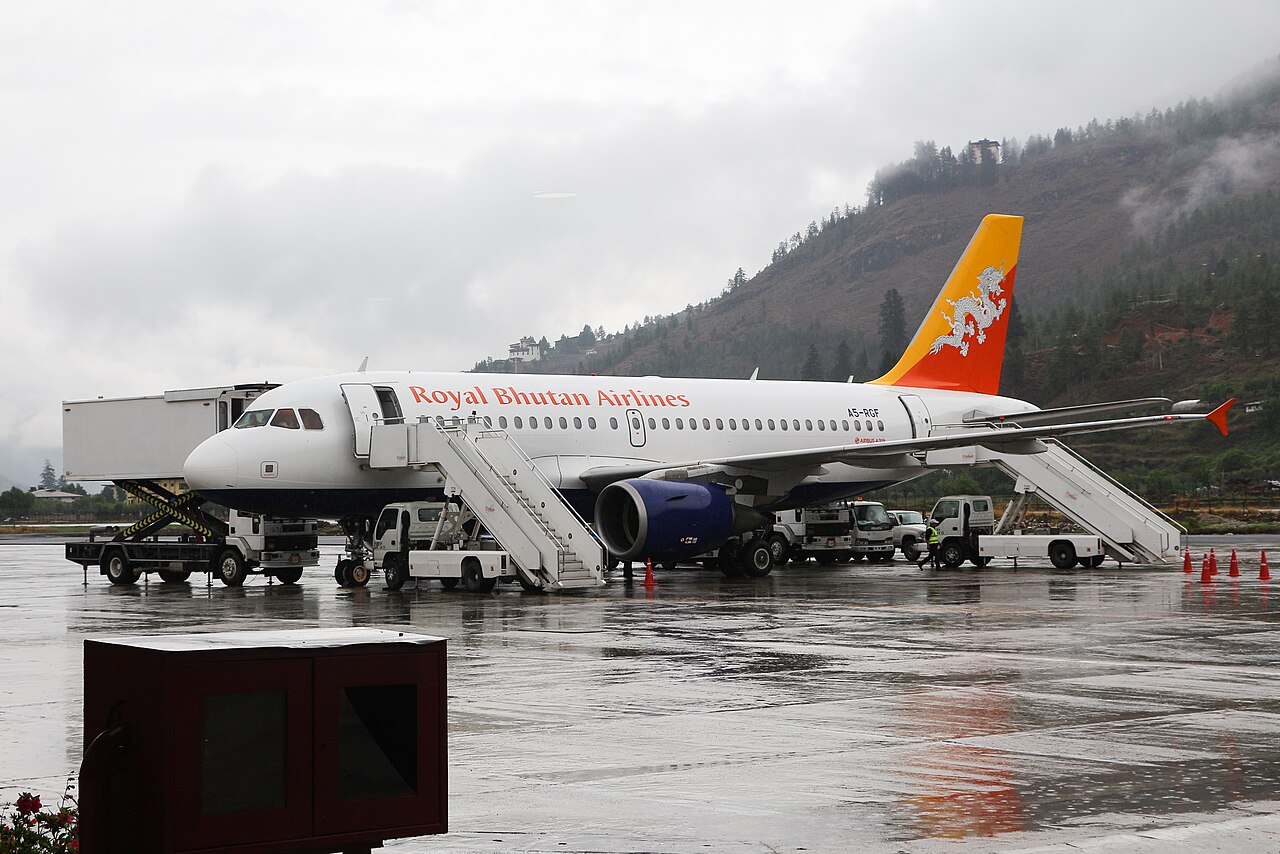

Bhutan Airlines Private Limited, trading as Bhutan Airlines and also known as Tashi Air, is the Kingdom of Bhutan's first and only private commercial airline. Established in 2011 by the Tashi Group of Companies — one of Bhutan's largest private conglomerates — the carrier launched revenue operations in 2013, ending three decades during which Druk Air held an unchallenged monopoly on international air access to the country. The airline's entry reshaped the competitive landscape of a sector long defined by scarcity, high fares, and limited seat capacity on routes connecting Bhutan to its principal tourism markets.
History and Founding
The Tashi Group received government approval to launch a private carrier as part of broader efforts to liberalise the aviation sector and increase tourist arrivals. The carrier was incorporated as Tashi Air Private Limited and commenced scheduled operations in 2013 on the Bangkok–Paro route before expanding to Indian cities. Its establishment reflected a deliberate shift in Bhutan's economic policy: attracting private capital into sectors previously reserved for state-owned enterprises, while keeping operational responsibility in Bhutanese hands.
The airline's head office is based in Thimphu, while all flight operations originate and terminate at Paro International Airport, the only international airport in Bhutan. Paro's location in a narrow valley flanked by peaks exceeding 5,000 metres demands instrument-rated approaches, and only a small number of certified captains worldwide are qualified to operate commercial aircraft there. Bhutan Airlines maintains a team of experienced captains with Himalayan approach qualifications alongside Bhutanese cabin crew.
Fleet and Destinations
As of late 2025, the airline operates two Airbus A319-100 aircraft, each configured with 126 seats — 12 in business class and 114 in economy. The average fleet age stands at approximately 15 years, making fleet renewal a medium-term operational priority. The A319's performance characteristics suit Paro's high-altitude, short-runway environment and the relatively thin route demand typical of a small mountain kingdom.
Current scheduled destinations include:
- Bangkok (Suvarnabhumi), Thailand — the busiest international route
- Delhi (Indira Gandhi International), India
- Kolkata (Netaji Subhas Chandra Bose International), India
- Bodh Gaya (Gaya Airport), India — particularly significant for Buddhist pilgrims
- Kathmandu (Tribhuvan International), Nepal
Routes are operated on varying frequencies, with Bangkok served daily via Kolkata and Delhi served three times weekly. Seasonal demand — heavily influenced by Bhutan's tourism calendar, which peaks during spring and autumn festival seasons — shapes scheduling decisions throughout the year.
The Tashi Group
Bhutan Airlines sits within the Tashi Group, founded by Dasho Ugen Dorji, which is one of Bhutan's most diversified private business conglomerates. Group interests span hospitality (Taj Tashi hotels), banking, manufacturing, media, and distribution. The group's financial depth provided Bhutan Airlines with start-up capital and ongoing operational backing during years when thin margins and low volumes made profitability difficult. The airline's Bhutanese branding — including cabin crew wearing traditional kira and gho dress — reinforces the Tashi Group's positioning as a culturally grounded enterprise.
Impact on Aviation and Tourism
Prior to Bhutan Airlines' launch, Druk Air operated all international flights with a small fleet and limited slot availability. The resulting capacity constraint kept fares high and occasionally left tourists unable to book within their desired travel window. The addition of a second carrier increased total seat supply on key routes, moderating prices and enabling the Tourism Council of Bhutan to accommodate rising visitor numbers more comfortably.
The airline has also played a supporting role in Bhutan's shift toward higher-value tourism following the 2022 introduction of the Sustainable Development Fee. By maintaining Bangkok as a hub connection, it facilitates onward links from across Southeast Asia and East Asia, markets that the Tourism Council has prioritised for growth. Paro's operational constraints mean neither airline can expand capacity quickly or cheaply, making efficient fleet utilisation central to both carriers' strategies.
References
View online: https://bhutanwiki.org/articles/bhutan-airlines · Content licensed CC BY-SA 4.0